Thursday, 22 November 2012

Weddimg Baskets

                                                         FLOWER OF THE WEEK
We stopped in Holbrook last week to visit a couple who are making some souvenirs for us.  This Century Plant was in their yard. Elder Lybbert has told me about century plants all our married life but this is the first one I had seen. They only bloom once and usually live about 25 years. When they bloom the plant dies. They were quite disappointed when they had two bloom this year because they are a pretty plant and now they are dead. The natives used them for food, medicine and for making needles.
The picture below shows what they look like in bloom.


Elder Lybbert has had a fascination with the native weaving. They used woven baskets for a number of purposes but the wedding basket is the most unique. In a traditional wedding the wedding basket is still used today but not as significantly as in years gone by. Some homes have them as a decoration on the wall.
They are expensive to buy so Elder Lybbert took a picture of these at the Trading Post.

Traditional Wedding Basket
Used in religious ceremonies at traditional Navajo weddings, the woven wedding basket has a distinct pattern of representation. The edge of the basket, a lighter color, represents the brightening skies as dawn approaches. The center design features four points to represent the Navajo's four sacred mountains, and the opening into the center (which Navajos believe should never be pointed downward) signifies an outlet for our thoughts. The bright red weave is the hallmark of sunshine, and is a blessing for Navajo health and spirituality. Black is for darkness, and a time to restore our bodies and minds. The lacing of the weave around the basket's edge represent our roots and human life. And the very center of the basket is representative of the emergence of he Diné, the opening for the First Holy One to come into the First World.


                                              Elder Lybbert, Elder Smith and Sister Lybbert

We sent another Elder home to Utah and received a ranch boy from Idaho, Elder Earl.  He has only been out nine months so we hope to keep him awhile.
We were unable to post our blog this past week because the internet was totally gone on the week-end. It is never very good any more but once in a while it works.
It has been a usual week with nothing spectacular happening but each day something touches us. At our Addiction Recovery class one of the men volunteered to give the opening prayer. This has happened before but they say it in Navajo. This fellow said their Navajo prayer but in English and it was a beautiful prayer. We are continually learning more about the people here.

Today we spent the afternoon in Chinle with the other missionaries and families celebrating Thanksgiving. Elder Orme, who served here and went home several months ago, came with his family which was a special treat for us.

Happy US Thanksgiving
Elder and Sister Lybbert

Sunday, 11 November 2012

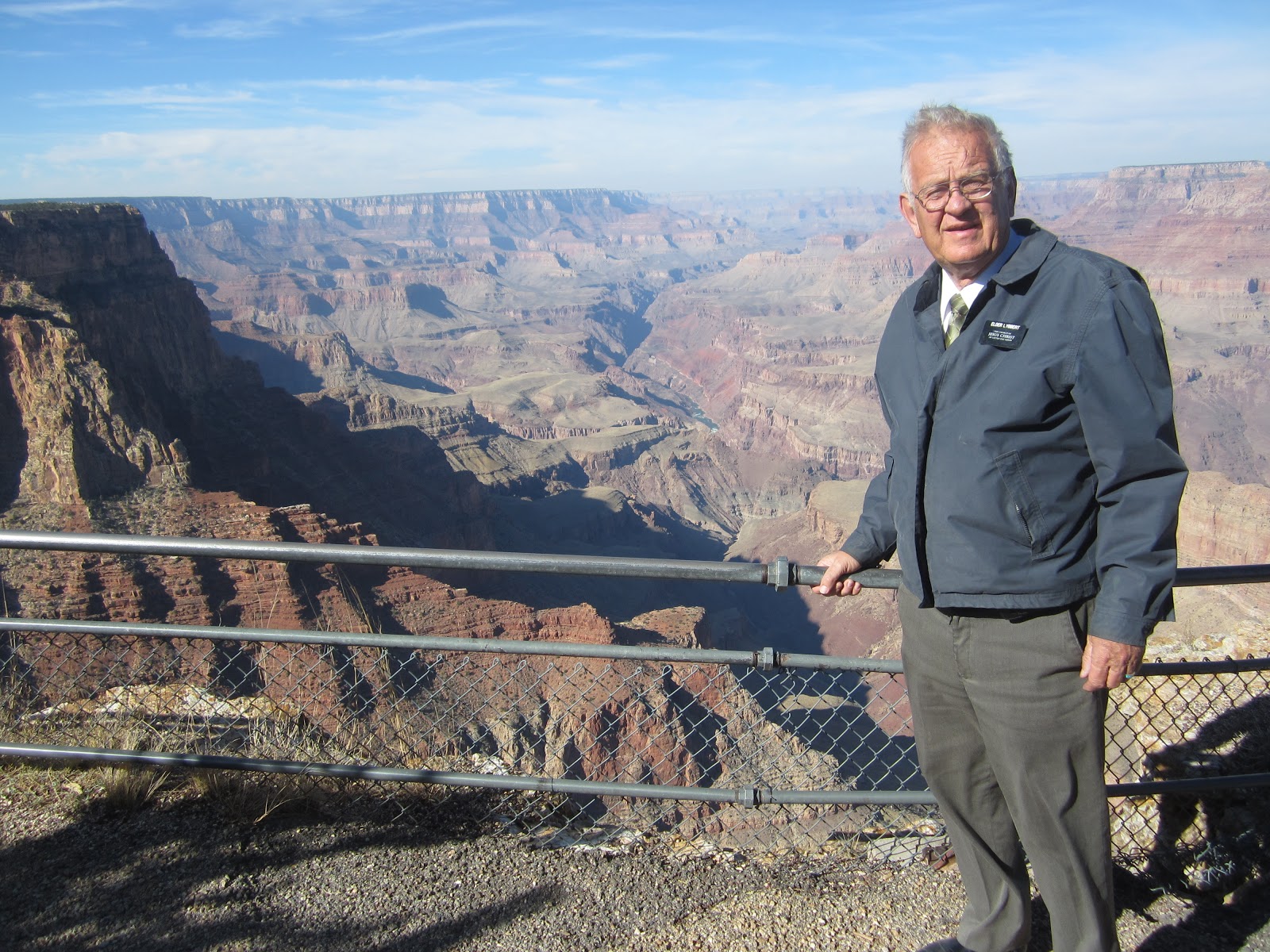
Grand Canyon


This week we were able to go and see the Grand canyon for the first time. This aster was on the rim of the canyon with a butterfly on it. If you look close there is an orange dot which would be him.

On the way to the Grand Canyon we stopped to see a meteor crater.  A long time ago a meteorite landed with enough force to make this crater 700 feet deep and 4000 feet across.  Below is a piece of the meteorite found several miles away. It is 92% iron, 5% nickel and lots of trace minerals and weighs 4200 pounds. This area has been used for training astronauts to go to the moon because of the similarities to the landscape of the moon.


Pictures are great but to see it for real is much more spectacular.  We also watched the Imax film which was very interesting and is recommended.


With our excursion to the Grand Canyon and shopping in Flag the week has slipped away.  On Tuesday we had a good experience at our Addiction Recovery meeting. The spirit was there and positive comments were made. We have had seven attending lately. Several have turned their life around and been clean for several months. At the end of class one fellow received a phone call saying that there is a chance he can have his job back which was great news. We are excited when we see the change for good in their life and heartbroken when temptation takes over again.

Love to all,
Elder and Sister Lybbert


Saturday, 3 November 2012

Rabbit Bush


The Rabbit bush is most prolific along the roads. earlier it was a brighter yellow but is now going to seed. The rabbits like to hide in it therefore the name Rabbit bush. The yellow flowers are used for dyeing wool and years back the stems were used for weaving baskets. The bush on the lower right has been eaten by the livestock but it doesn't appear to be a favorite food. Everything had its use at one time.

If you love sunshine, beautiful sunrises and sunsets, and green is not your favorite color then Arizona is the place for you.


Our first and only tarantula we have seen this summer. We see few spiders here but when we do they are large.
Our Branch trunk and treat. We had an annual pot luck supper and then trunk and treat. At first it appeared not many were coming but eventually we had a good crowd. This is probably the warmest Halloween we will experience. It was in the 20's and we had the swamp cooler on in the afternoon. The nights get cool.
This has been a first of the month week so few people are at home but we still kept busy. With Halloween and people stopping by needing this and that and getting people to where they need to go it keeps us going.  Contractors were remodelling and painting the church this week so it took us all Sat. morning to clean up. Our Branch president was moving this weekend so we helped out there also.  Thanks for all the prayers in our behalf. They are appreciated.
 Love to all,
Elder and Sister Lybbert

Saturday, 27 October 2012

Cedar (Juniper) Trees


There are two kinds of trees that are native to the area, the pinyon pine and what is called cedar trees but technically are probably juniper. The cedar tree has played an important roll in the life of the Navajo people. They grow on the hills around Pinon.
It is used and has been used for many purposes. One of the Navajo favorites is Blue Mush. The cedar is burned and the ash mixed with ground up Navajo corn and cooked. We see it advertised at the flea market but we have not tasted it.
In years gone by the branches were heated and put on the stomach to sooth tummy aches..
Once upon a time it provided the material for their homes but now the hogans are built of 2x4's and OSB board.

The berries on the tree were used as a food source.  They were pounded into strips of meat along with other berries. They were also boiled and poured over the squash.

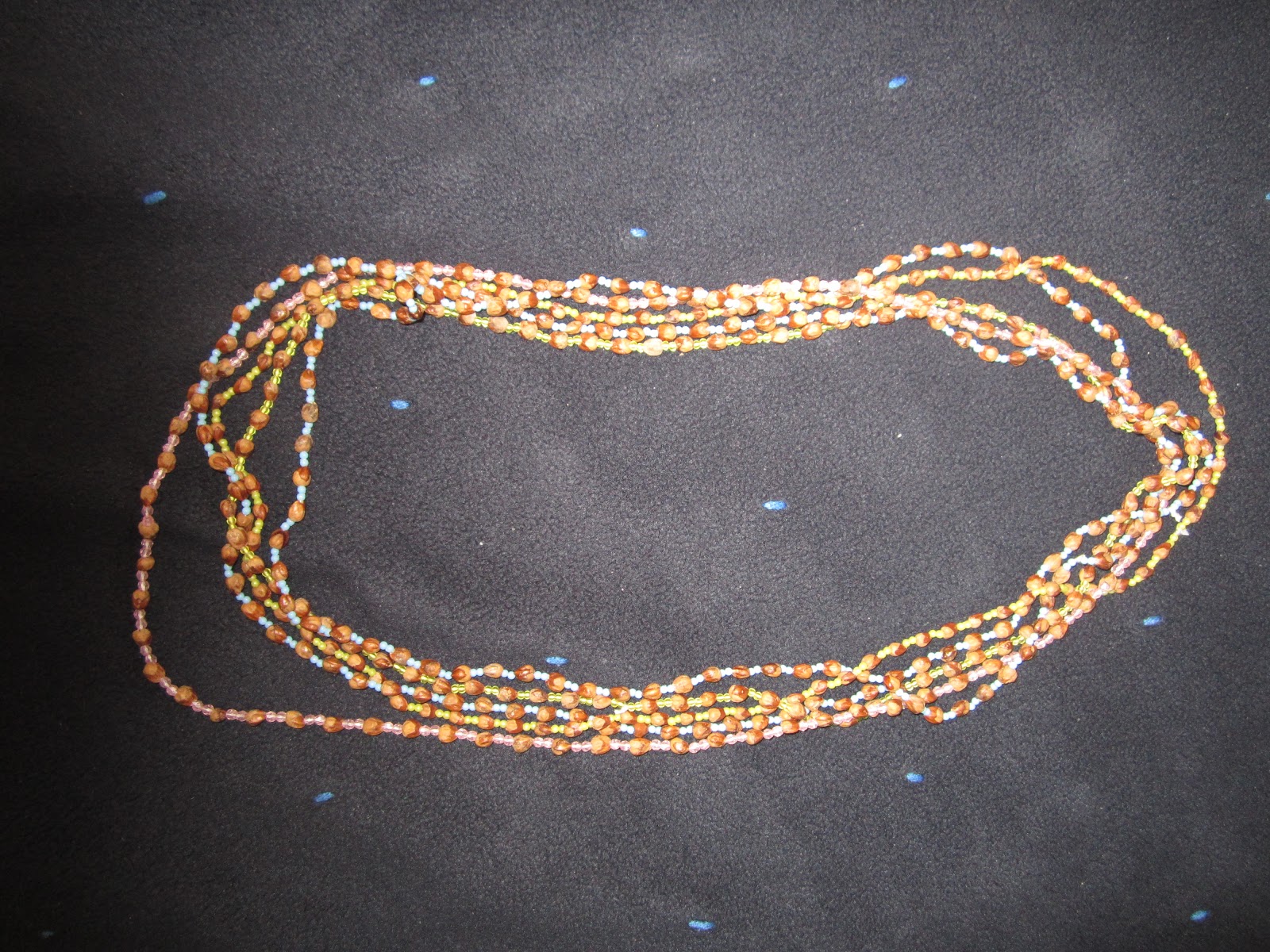
The dried seeds are used for beads to make ghost necklaces. They keep the evil spirits away. If you need to go to the outhouse after dark put on your necklace and you won't get scared.


When someone passes (here people don't die they pass) cedar is burned and when coming from the gravesite everyone walks through the smoke to be protected from the spirits. The cedar bough is used to brush the footprints from around the grave.

Cedar fence posts are also one of the necessary uses. Notice how they are not cut to a certain length but left however long the tree is. The posts are also used to build shades.


Several times when people visit us they ask where our stove is. We say we have a propane furnace that heats the house. They tell us that is very expensive. Here every home has a wood stove. The teacher housing does have electric heater as an alternative.
These days we are often told that "Its cold in the morning. We need to go make some woods." Above are truck loads of woods people are trying to sell anywhere from $60.00 to $150.00 a load. A young lady cut and hauled the woods in the truck in upper center and wanted $60.00 but no luck. Too close to the end of the month and everyones out of money.

Cedar trees and mistletoe. The orange colored spots are the mistletoe.
Here is a close up of the mistletoe. In the winter the mistletoe is gathered by hitting it off with sticks and it is fed to the sheep. Mistletoe is used as a medicine and also to dye wool for rug making.

Here the mistletoe is being used for the purpose that is familiar to our culture and taken advantage of by the men. This young lady doesn't seem to mind.

This week we have been kept quite busy. We had a delightful experience visiting with one of our elderly members. Her health has been deteriorating for several months. Her granddaughter from Flagstaff took a year off from her college to take care of her grandmother and her herd of sheep. What a delightful young lady, so sweet and caring. To leave all the comforts to come live in a one room cabin with electricity being the only convenience and no water except to haul it over five miles from town must be a sacrifice.  There are some wonderful people here.

Love to all,
Elder and Sister Lybbert

Sunday, 21 October 2012

Signs of Fall


                                                            FLOWER OF THE WEEK
This nasty  little bush, the Russian Thistle, grows most everywhere here. It is very thorny and dries up in the winter and tumbles spreading its seeds. We spent last winter racking and burning it.  It is a pretty plant now although just a few of them turn this magenta color.

The only colored leaves we have seen so far are these vines which may be Porcelain berry. Several people have them growing on their fences. In the summer they are bright green and have blue berries with bright red stems which make them very attractive. There are no berries left on them now so probably the birds had a good feed. As you can see the trees in the background are still green. I don't know if they will turn yellow or if the leaves are just going to dry up and fall off.


We stopped in here this past week and Ruth was spinning yarn getting it ready for weaving. It is bought in skeins but to have a finely woven rug it needs to be spun tighter. They still use the same method that has been used to spin yarn for centuries.

Another beautiful rug in the making.  We asked how much an hour she would make and she said about 50 cents.  This will be 9' x 12' when finished.

We had our Zone Conference this week with the Senior and young missionaries which was exciting. Elder and Sister Paul V. Johnson of the first quorum of seventy were visiting our mission. He is the Commissioner of the Church Educational System. They talked to us and we had some missionary training.  Pres. and Sister Batt (mission pres.), who are wonderful people, also gave us encouragement  and good advice.  They are such down to earth humble people who are striving hard to serve the Lord. It was good to visit with the other Seniors and share experiences.  Our testimonies of the gospel continues to grow.

Love to all,
Elder and Sister Lybbert

Saturday, 13 October 2012

Blue Bird Flour


                                                           FLOWER OF THE WEEK
Coming back from Chinle we saw these Blanketflowers in the ditch. They are late bloomers.


The Rez would not be complete without Blue Bird flour. They are synonymous with each other. You couldn't have one without the other. This is at our local Bashes Food store. There are four different areas for Blue Bird flour and as you can see the shelves empty fast. Blue Bird flour is considered the best flour for making fry bread.
Several weeks ago we were going to Cortez to see Mesa Verde so I wanted to also go and see  the Cortez Milling Company where they make Blue Bird flour. I was a bit disappointed when all we saw was an old building with no Blue Bird Flower logo on it.
The stories here say that the owners of the mill are descendants of John Tanner who, in our Mormon history, gave Joseph Smith necessary funds to continue the work. John Tanner was promised his posterity would never go hungry. The Tanner family own many of the trading posts here also and are very successful businessmen.

The Blue Bird Brand was started in the 1930's but was bought by Halworth Tanner in 1965 and is run today by his grandsons. Most of the grinders are original dating back to the 1800's. They produce about 600,000 25 pound bags of flour each year.

Blue Bird flower bags serve many purposes. I use them to make aprons for the missionaries leaving the area as a memento of the Rez. This is Elder Wise who left last week to go home.
The flour bags are used for everything from dish towels to sacks to hold the pinyon nuts. Elder Lybbert used one for ties to tie up the irrigation hose in the garden.

One of our star gardeners. Vicky wanted a garden very much so she attended the meetings and learned all she could. She had a stroke so is handicapped. We helped her get the garden started and her husband reluctantly helped. As the summer progressed he got more and more excited about what they were growing. A few days ago he brought in this huge Navajo squash he had been hiding from Vicky in the corn patch.  She is very proud of her squash.

This afternoon a couple stopped by. She had lived here in the late fifties when her husband, a Tanner worked at the trading post. At the time she said she told her husband when she married him she would be willing to go to the end of the world with him. When they arrived in Pinon she thought she had. He past away a few years ago and she remarried  and came here to see Pinon once again. She still owns a trading post in Gallop.
We have had a good week doing what we do.
Love to all,
Elder and Sister Lybbert

Saturday, 6 October 2012

Navajo Rugs


                                                              FLOWER OF THE WEEK
The flower season is about over but these little purple asters are still doing their best to brighten up the world.

We stopped by this home one day and the Grandmother was sitting on the porch carding wool so she could spin it for weaving. We had forgot the camera so we used the cell phone which isn't a very good picture. There are some Navajos that shear the sheep, dye the wool with plants, spin the wool and then weave their rugs much the same as they have for centuries.

Rug weaving is still very common and a way to make a few extra dollars.  This lady works as a CNA but does rug weaving also. She hopes to sell her rugs from $350 to $450. She does  beautiful work.

                                        This is a completed storm pattern rug.


These are some rugs we bought which are also the storm pattern.


                                            New investigators but a little late for the meeting.


We were with the young missionaries  a few days ago and they wanted us to show them where the Low Mountain Chapter house was since they had some referrals over there. Instead of going around on the road they took us over the top. I have never had a desire to go 'four wheeling' in this terrain but we did. This is at the top of the mesa and its a long way down.  The first half was rocks and the last half deep sand. Can you see why trucks are worn out after 60,000 miles here.

Conference week-end and for the first time (thanks to Elder Lybbert) we have conference by satellite to our building. It is broadcast in Navajo and English. We now wish we could get more people to attend. The Saturday sessions have been so interesting and uplifting. What a blessing our membership in the church has been. Having a general authority who is Native American speak in conference was exciting.

Love to all,
Elder and Sister Lybbert